

TALENT
75%
75% of manufacturers worldwide can't find the skills they need. The talent chooses you — or doesn't.
Source: ManpowerGroup 2024
We design and activate the industrial environments where production, talent, market visibility and asset value compound — not compete.
Start a strategic conversation75% of manufacturers worldwide can't find the skills they need. The talent chooses you — or doesn't.
Every extra EBITDA point is worth 7–12x on exit. The environment is the lever no advisor has proposed yet.
Your factory is your most credible sales argument — a demo environment that works every week, on your ground.
We design and activate the industrial environments where production, talent, market visibility and asset value compound — not compete.
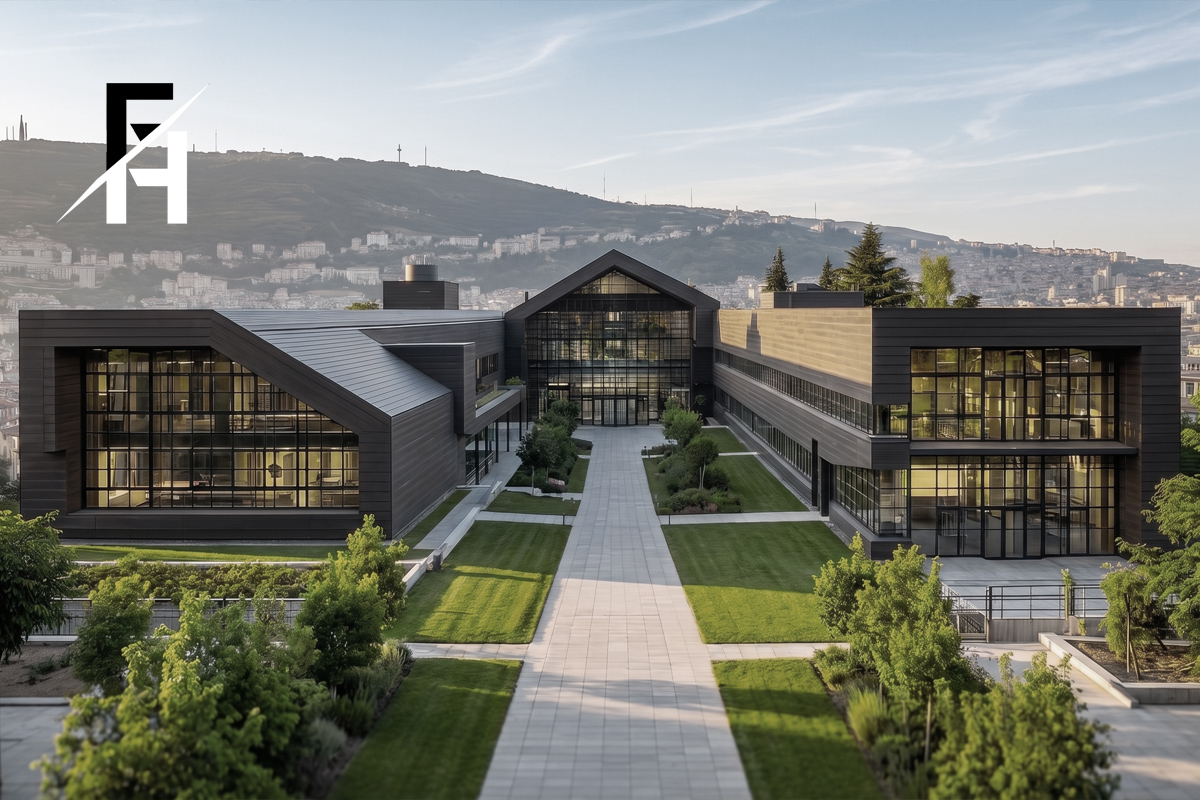
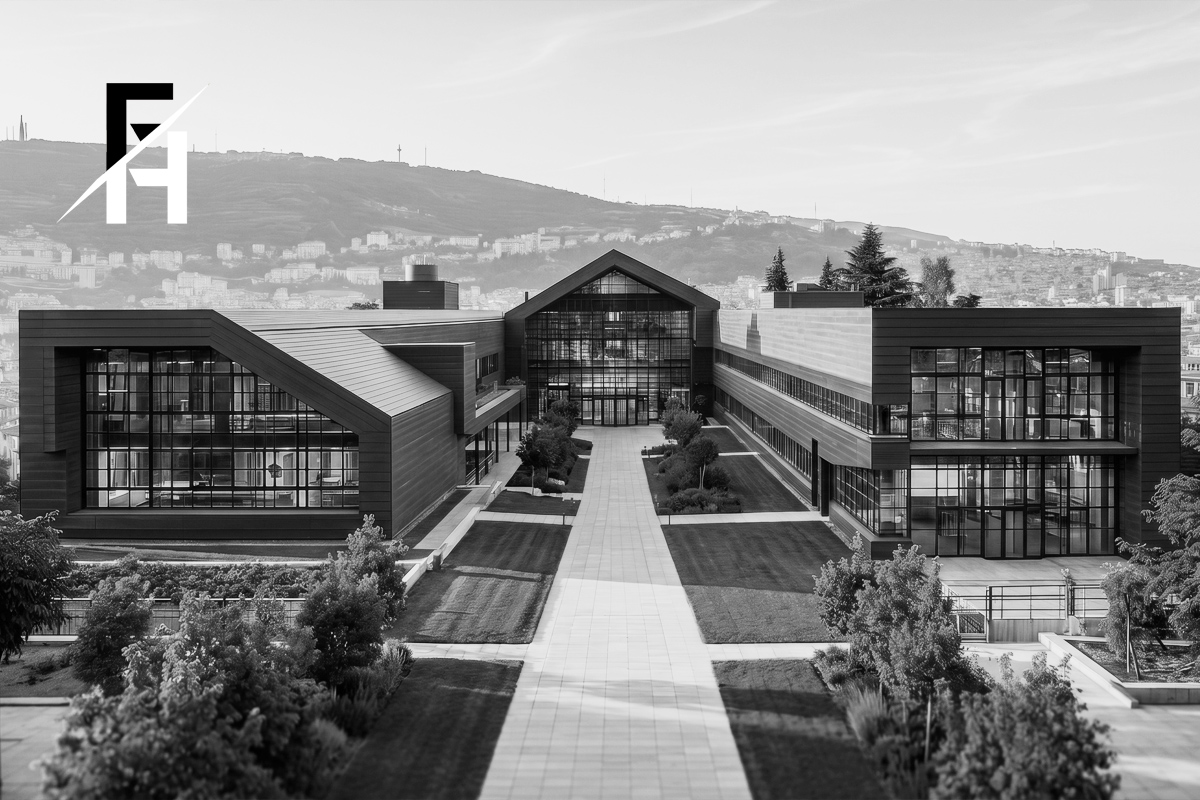
A shared industrial site for multiple companies, with common infrastructure and services. Each maintains its identity and operations.
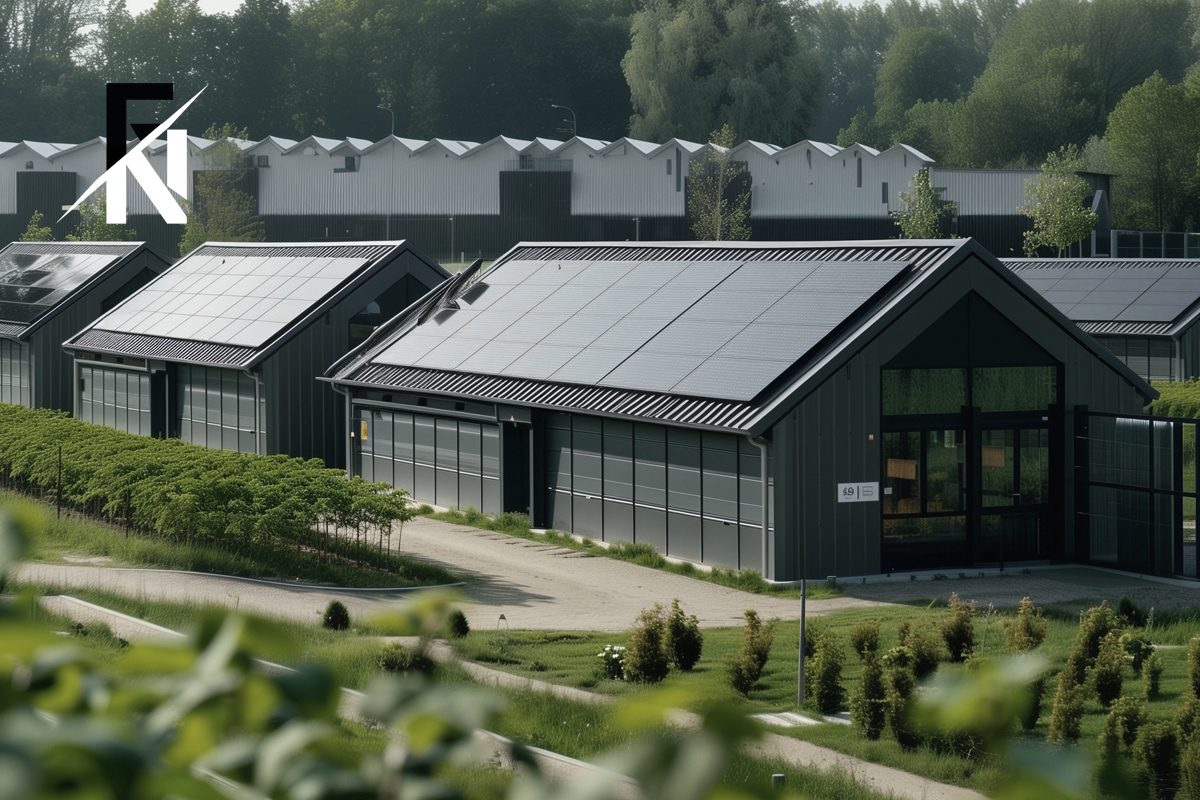
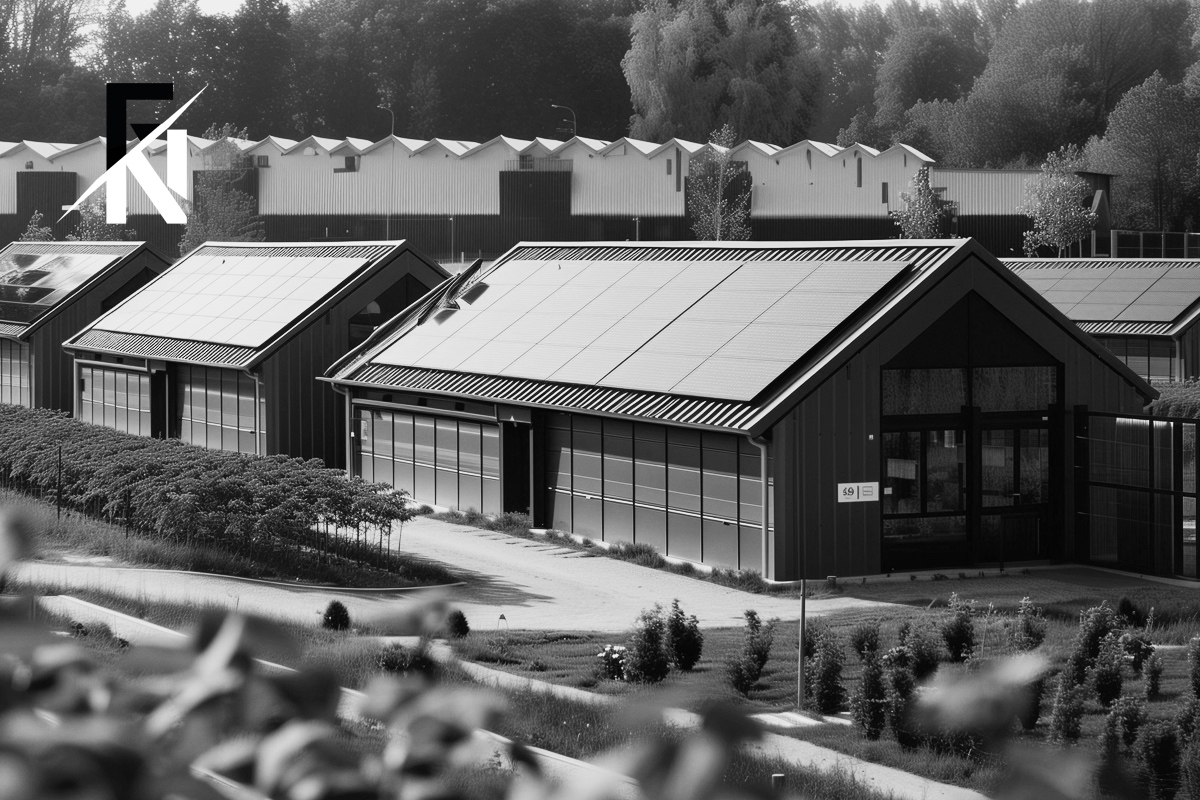
An existing site that helps companies grow through space, services and supply-chain proximity.
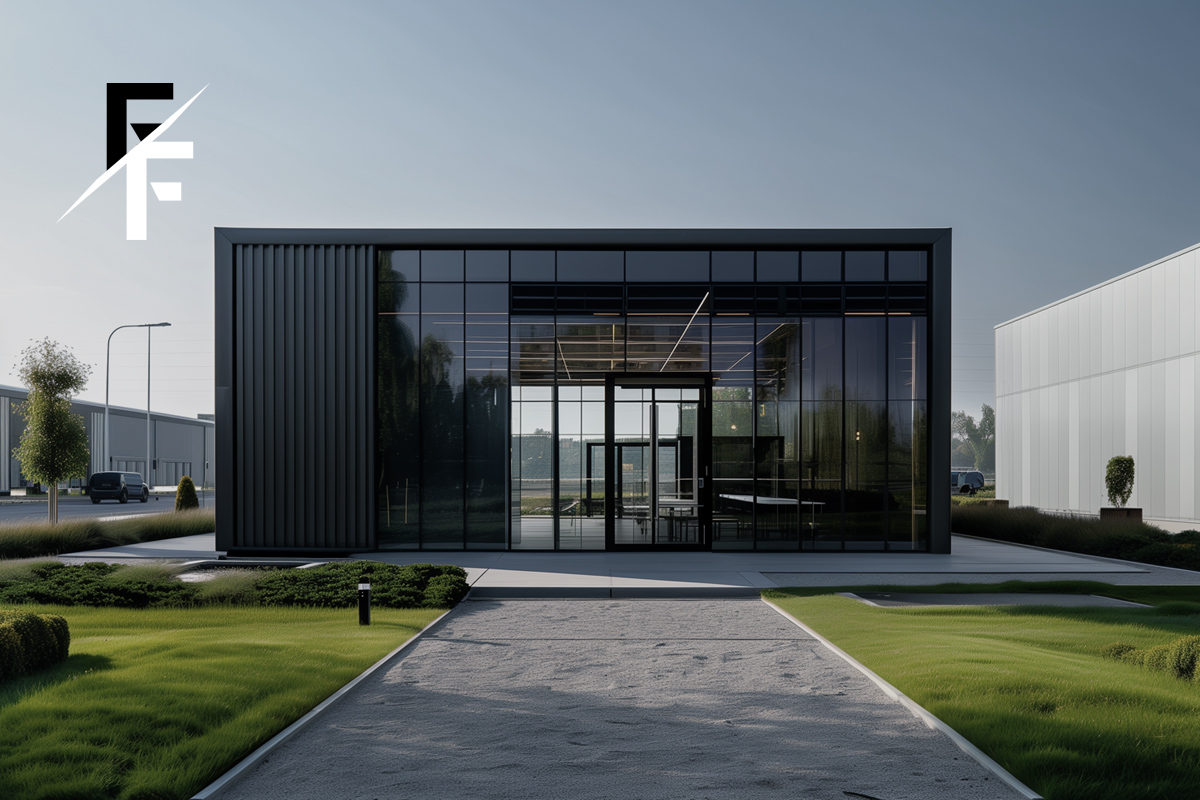
One owner, one site, redesigned as an integrated environment for production, talent and visibility.

The factory becomes the most credible channel to market: visibility that turns into qualified demand.

Suppliers and satellite companies operate within a system that creates shared value instead of parallel costs.

Cities, districts, logistics and people: the site creates cohesion and attraction, not only occupied square metres.

Technical institutes and competence centres make the site attractive to the people choosing where to work.
Industrial architecture, real estate development and market strategy within one decision-making perimeter.
The production site treated as one system: production, people, market and asset value.
Every transformation is legible as an asset: return, risk, horizon and exit.
We collaborate with leading organizations to generate value for companies, territories and communities.








+ selected alliances and relationships
It is the redesign of a production site as an integrated system, where the layout, the services, the digital layer and the building performance are designed together rather than added in sequence. The objective is not a better-looking building: it is a site that attracts people, demonstrates capability to the market and performs in a valuation.
A renovation improves the building. A transformation changes what the building does. The first is measured in square metres and construction cost; the second in talent retention, commercial pipeline and enterprise value.
Manufacturers who own their site, asset holders and funds with industrial property in portfolio, and institutions developing industrial districts.
From the first strategic conversation to an operating site, typically eighteen to thirty-six months depending on permitting and scope. The strategic and financial framework is usually defined in the first ninety days.
An industrial site designed so several companies share infrastructure, services and visibility while keeping separate operations and identities.
Yes. The shared layer is infrastructure and services; production areas are physically and contractually separate, with independent access control.
Usually a single owner — a manufacturer with spare capacity, a fund, or a public-private vehicle — who takes rental and service revenue from the other occupants.
NO PREDEFINED SOLUTIONS. WE START FROM YOUR OPERATIONAL CONTEXT, YOUR ASSETS AND YOUR AMBITIONS
Start a strategic conversation

